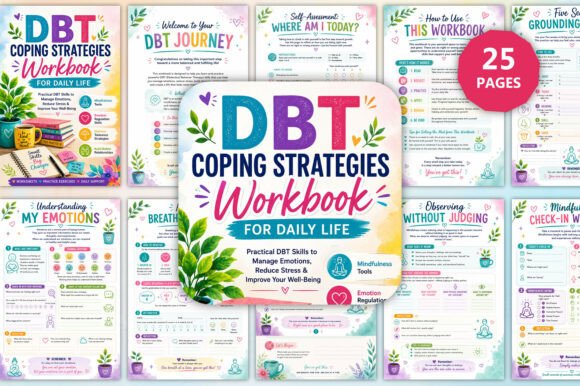
DBT Coping Strategies Workbook for Daily Life
Managing emotions, reducing stress, and improving relationships can feel overwhelming in today’s fast-paced world. For many adults, finding a structured, evidence-based approach to emotional wellness is essential. The DBT Coping Strategies Workbook for Daily Life offers a practical solution rooted in Dialectical Behavior Therapy (DBT), a method originally developed to help individuals with borderline personality disorder but now widely used for anyone seeking better emotional regulation and mental well-being.
This workbook isn’t just another self-help guide—it’s a comprehensive system designed to help you build lasting skills for managing difficult emotions, staying present, and navigating life’s challenges with greater ease. Whether you're an entrepreneur juggling deadlines, a parent balancing family responsibilities, or someone dealing with chronic stress, the tools provided can make a meaningful difference in your daily routine.
Understanding the Core Components of DBT
At its heart, DBT focuses on four key skill areas: mindfulness, emotion regulation, interpersonal effectiveness, and distress tolerance. These are not abstract concepts but actionable strategies that can be practiced regularly to improve emotional resilience. The DBT Coping Strategies Workbook introduces each of these components through structured worksheets and guided exercises, making it easier to apply them in real-life situations.
Mindfulness, for example, is more than just meditation—it's about learning to stay grounded in the present moment. Through practices like “observe without judgment” and grounding techniques, users can develop a stronger sense of awareness that helps prevent emotional overwhelm. This is especially useful for professionals who need to maintain focus during high-pressure moments.
Practical Benefits for Everyday Challenges
The DBT Coping Strategies Workbook is particularly valuable for those looking to manage intense emotions without resorting to harmful coping mechanisms. One of the most powerful features is the inclusion of emotion regulation skills, which help users identify and understand their feelings before reacting impulsively. This can be a game-changer for individuals who struggle with anxiety, depression, or mood swings.
Take a scenario where a project deadline is approaching, and you’re feeling overwhelmed. Instead of procrastinating or getting angry, the workbook provides tools to pause, assess the situation, and respond thoughtfully. Techniques such as the STOP skill (Stop, Take a breath, Observe, Proceed) can be used quickly to regain control and make better decisions under pressure.
Improving Communication and Relationships
Another key benefit of this workbook is its focus on interpersonal effectiveness. It teaches communication skills that help users express their needs clearly while maintaining healthy boundaries. For entrepreneurs and small business owners, this is crucial when negotiating deals, managing teams, or resolving conflicts with clients.
For instance, the workbook includes exercises that help you practice assertiveness without being aggressive. This can lead to more respectful interactions and reduce misunderstandings in both personal and professional settings. Over time, these improved communication skills can foster stronger relationships and create a more supportive environment at work and home.
Tools for Crisis Management and Emotional Stability
Life is unpredictable, and there will be times when you face unexpected stress or emotional crises. The DBT Coping Strategies Workbook includes a “Crisis Survival Plan” that guides users through safety steps and support resource mapping. This feature is especially helpful for individuals who may experience panic attacks, suicidal thoughts, or other acute emotional episodes.
In such moments, having a clear plan in place can be lifesaving. The workbook encourages users to identify their triggers, list emergency contacts, and outline specific actions they can take when feeling overwhelmed. These strategies are designed to be used immediately, helping you regain stability during a crisis.
Self-Monitoring and Reflection
A unique aspect of the workbook is its emphasis on self-monitoring. Through emotional tracking logs and reflection exercises, users can gain deeper insight into their patterns of thinking and behavior. This is particularly beneficial for individuals who want to break cycles of negative thinking or recurring emotional issues.
For example, if you notice that certain situations consistently trigger stress, you can use the workbook’s tools to explore why this happens and what alternative responses might be more effective. This process of reflection and adjustment is central to long-term emotional growth and resilience.
Who Can Benefit from This Workbook?
The DBT Coping Strategies Workbook is suitable for a wide range of individuals, including professionals, students, parents, and anyone dealing with emotional challenges. It’s especially useful for those who have been diagnosed with conditions like depression, anxiety, or bipolar disorder, but it’s also a great resource for people who simply want to improve their emotional intelligence and daily well-being.
Entrepreneurs and creatives may find the workbook particularly helpful in managing the pressures of running a business or pursuing artistic goals. By incorporating mindfulness and distress tolerance strategies, they can avoid burnout and maintain a more balanced lifestyle. Similarly, educators and freelancers can use the interpersonal effectiveness tools to build better relationships with colleagues and clients.
Considerations and Limitations
While the DBT Coping Strategies Workbook is a valuable resource, it’s important to recognize that it’s not a substitute for professional therapy. If you’re experiencing severe mental health symptoms, it’s always recommended to seek guidance from a licensed therapist or counselor. The workbook is best used as a complementary tool alongside professional care.
Additionally, some users may find the structured nature of the exercises challenging at first. However, with consistent practice, these tools become second nature and can significantly enhance emotional regulation over time.
Conclusion
The DBT Coping Strategies Workbook for Daily Life offers a practical, evidence-based approach to emotional wellness that can be applied in various aspects of life. Whether you're looking to reduce stress, improve communication, or manage difficult emotions, this workbook provides the skills and tools needed to build a healthier, more balanced life. By integrating DBT principles into your daily routine, you can develop greater emotional resilience and achieve long-term well-being.