How to Grow Your Own Medicine
Growing your own medicine is more than just a trend—it's a powerful way to take control of your health and wellness. With How to Grow Your Own Medicine, you can harness the healing power of nature right in your backyard. This guide is perfect for anyone looking to reconnect with traditional herbal practices, whether you're a seasoned gardener or just starting out. Discover how simple plants can become powerful natural remedies that support your everyday health.
Imagine having a personal apothecary at your fingertips, filled with herbs that you’ve grown yourself. From calming chamomile to immune-boosting echinacea, the possibilities are endless. How to Grow Your Own Medicine walks you through every step of the journey—planning your garden, selecting the right plants, and learning how to harvest and use them safely and effectively.
Getting Started with Medicinal Gardening
If you're new to growing medicinal plants, the first step is to understand what you're getting into. A medicinal garden doesn’t require a large space or advanced gardening skills. Even a small balcony or windowsill can be transformed into a thriving herb garden. Start by choosing a few easy-to-grow herbs like lavender, rosemary, or mint.
How to Grow Your Own Medicine provides clear guidance on setting up your garden, including tips on soil preparation, sunlight requirements, and watering schedules. Whether you have a sunny patch of land or a shaded corner, there’s a plant that will thrive in your environment.
- Select herbs based on your climate and available space
- Prepare nutrient-rich soil for optimal growth
- Choose containers or garden beds that suit your setup
Medicinal Plant Profiles
One of the most valuable aspects of How to Grow Your Own Medicine is its detailed profiles of common healing plants. Each profile includes information about the plant’s benefits, uses, and how to grow it successfully. For example, you’ll learn how to care for valerian root, which is known for its calming properties, or how to cultivate turmeric, a powerful anti-inflammatory herb.
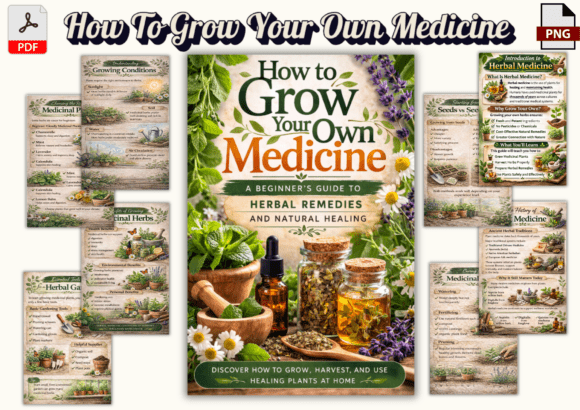
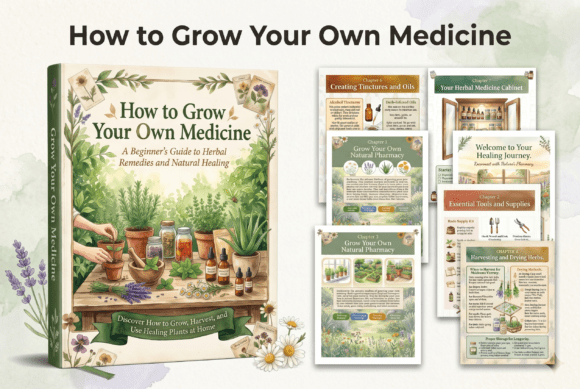
These profiles make it easy to choose which plants to grow based on your specific health goals. Whether you’re looking to improve digestion, boost immunity, or reduce stress, there’s a plant that can help. The guide also includes helpful visuals and diagrams to make learning even more engaging.
Planning Your Herbal Garden
Before planting your first seed, it’s important to plan your garden layout carefully. How to Grow Your Own Medicine helps you create a strategic planting schedule that ensures your herbs receive the right amount of sunlight and nutrients throughout the growing season.
You’ll learn how to group plants with similar needs together, such as those that prefer full sun or partial shade. The guide also covers companion planting techniques that can help deter pests and promote healthy growth. With these tips, you’ll be able to create a well-balanced and productive garden that supports your wellness goals.
- Determine the best location for your garden based on sunlight exposure
- Create a planting schedule that aligns with your local climate
- Use companion planting to enhance growth and reduce pests
Growing Care Guides
Caring for medicinal plants requires attention to detail, but with the right knowledge, it becomes second nature. How to Grow Your Own Medicine provides comprehensive care guides that cover everything from watering techniques to seasonal maintenance. You’ll learn how to recognize signs of overwatering or underwatering, and when to prune your plants for optimal growth.
The guide also explains how to protect your herbs from common pests and diseases using natural, non-toxic methods. By following these care instructions, you’ll ensure that your plants remain healthy and ready for harvesting when the time comes.
Harvesting and Drying Techniques
Once your herbs have reached maturity, it’s time to harvest them. How to Grow Your Own Medicine teaches you the best times to harvest each plant for maximum potency. Some herbs should be harvested in the morning after dew has evaporated, while others are best picked in the late afternoon.
After harvesting, proper drying techniques are essential to preserve the potency of your herbs. The guide includes step-by-step instructions on how to dry herbs using air-drying, dehydrators, or oven methods. You’ll also learn how to store your dried herbs to maintain their quality and extend their shelf life.
- Harvest herbs at the peak of their potency
- Use proper drying methods to preserve medicinal properties
- Store dried herbs in airtight containers away from direct sunlight
Creating Natural Remedies
With your freshly harvested herbs, you can begin creating your own natural remedies. How to Grow Your Own Medicine provides recipes and instructions for making teas, tinctures, salves, and oils using your homegrown herbs. These remedies can be used to support a wide range of health concerns, from colds and flu to skin irritations and digestive issues.
The guide also emphasizes the importance of safety when using herbal remedies. It includes information on potential interactions with medications and how to properly dose your remedies. By following these guidelines, you can confidently use your homegrown herbs to support your health in a safe and effective way.
Whether you're looking to improve your overall wellness or simply want to connect with nature, How to Grow Your Own Medicine offers a wealth of knowledge and practical advice. With this guide, you can transform your garden into a source of natural healing and discover the many benefits of growing your own medicine at home.