Kids Motivation Growth Journal: A Practical Tool for Building Confidence and Positive Mindsets
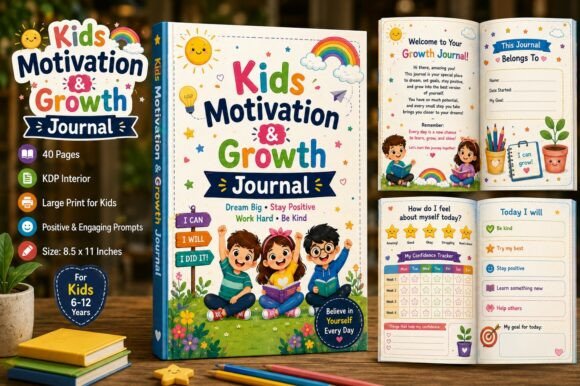
The Kids Motivation Growth Journal is a structured yet flexible resource designed to help children develop essential life skills such as confidence, motivation, gratitude, and self-awareness. This journal integrates interactive activities with goal-setting tools and reflective exercises, making it an ideal companion for parents, educators, and homeschoolers looking to support their children’s emotional and cognitive growth. By embedding these practices into daily routines, the journal serves as a foundation for long-term personal development in kids.
Understanding the Purpose of the Kids Motivation Growth Journal
The Kids Motivation Growth Journal is not just a collection of pages—it's a framework that supports consistent reflection, action, and progress tracking. It provides a structured way for children to engage with their emotions, set achievable goals, and celebrate small victories. This approach aligns with educational psychology principles that emphasize the importance of habit formation and positive reinforcement in early development.
Parents and teachers can use this journal before, during, or after specific learning activities or milestones. For instance, it can be introduced at the start of a new school year to help children establish routines, used throughout a project to track progress, or revisited after completing a task to reflect on what was learned. This adaptability makes it a valuable tool across various contexts.
Key Features and How They Support Development
The Kids Motivation Growth Journal includes several features tailored to promote confidence and motivation:
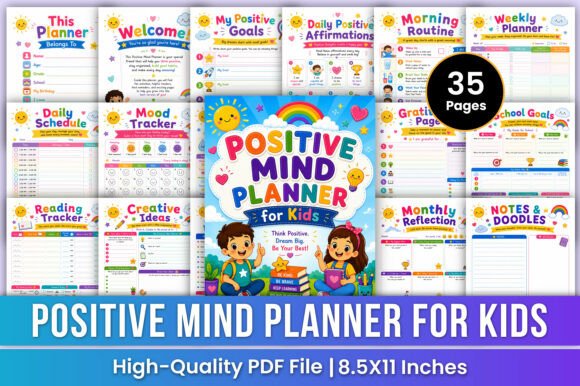
- Positive Affirmations: These statements help children build self-esteem and reinforce a growth mindset by encouraging them to believe in their abilities.
- Goal Setting Pages: Children can set short-term and long-term goals, which helps them understand the value of planning and perseverance.
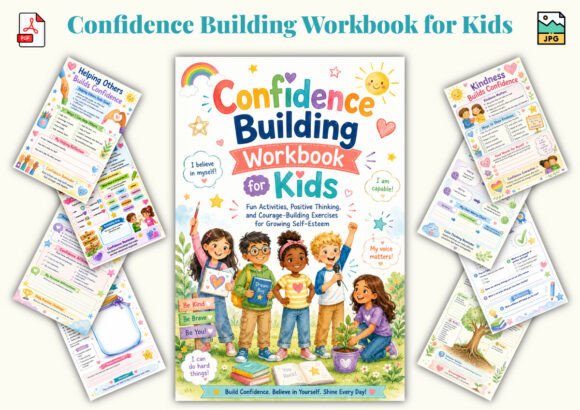
- Confidence-Building Activities: Interactive prompts and exercises encourage kids to recognize their strengths and overcome self-doubt.
- Growth Mindset Exercises: These activities teach children to view challenges as opportunities for learning rather than obstacles.
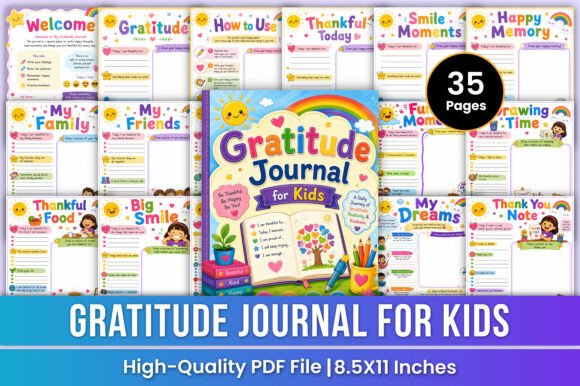
- Gratitude Happy Moments Pages: By reflecting on positive experiences, children learn to appreciate their lives and develop emotional resilience.
- Motivation Reflection Activities: These pages encourage children to think about their achievements and how they can continue to grow.
- Kindness Challenge: This feature promotes empathy and social-emotional learning through acts of kindness.
- Weekly Goals Habit Tracker: A visual tracker helps children stay focused on their objectives and maintain consistency.
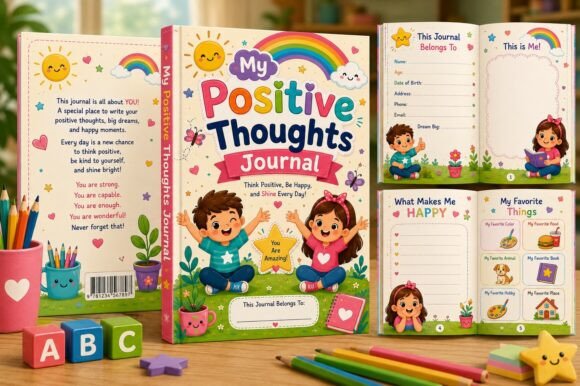
- Fun Interactive Writing and Drawing Pages: These creative elements make the journal engaging and allow for self-expression.
- Certificate of Achievement: This reward system motivates children to complete tasks and reinforces a sense of accomplishment.
Integrating the Journal into Daily Routines
For optimal results, the Kids Motivation Growth Journal should be integrated into a child’s daily or weekly routine. Parents and educators can allocate a specific time each day—such as after school or before bedtime—for journaling. This consistency helps build the habit of reflection and self-assessment.
The journal can also be used in conjunction with other tools and resources. For example, when setting academic goals, it can be paired with a planner or calendar to track deadlines and progress. In a homeschool setting, it can complement lesson plans by incorporating reflective questions and goal-setting exercises after each activity.
Additionally, the journal works well alongside digital platforms such as apps that track habits or provide motivational reminders. The combination of physical journaling and digital tools can enhance engagement and provide multiple ways for children to interact with the material.
Practical Implementation Tips
To get the most out of the Kids Motivation Growth Journal, consider the following tips:
- Start Small: Begin with one or two pages per session to avoid overwhelming the child. Gradually increase the number of pages as they become more comfortable with the process.
- Be Consistent: Set a regular time for journaling to create a routine. This helps reinforce the habit and ensures that the child sees the journal as an important part of their day.
- Encourage Reflection: Ask open-ended questions to prompt deeper thinking, such as “What did you learn today?” or “What made you feel proud?”
- Use Visual Aids: Incorporate drawings, stickers, or colored markers to make the journal visually appealing and more engaging for young users.
- Track Progress: Use the weekly habit tracker to monitor improvements over time. Celebrate milestones with small rewards to keep motivation high.
- Involve the Child in Goal-Setting: Allow the child to choose their own goals and affirmations. This increases ownership and commitment to the process.
Long-Term Benefits and Usability
The Kids Motivation Growth Journal is designed for long-term use, with 40 different pages that provide variety and prevent monotony. Its 8.5×11 inch page size ensures ease of use, whether the journal is kept at home, in a backpack, or in the classroom. The high-quality PDF format allows for easy printing and customization, making it accessible to a wide range of users.
Over time, the journal becomes a personal record of growth, helping children see how far they’ve come and reinforcing the importance of perseverance. It also serves as a reference point for parents and educators to assess a child’s emotional and cognitive development.
Moreover, the journal encourages a lifelong habit of reflection and self-improvement. As children grow older, they can revisit past entries to gain insight into their progress and identify patterns in their behavior and mindset.
Supporting Multiple Roles and Environments
The Kids Motivation Growth Journal is versatile enough to be used in various settings, including homes, classrooms, and therapeutic environments. Parents can use it to support their children’s emotional well-being, while teachers can integrate it into lessons on social-emotional learning (SEL) or character education.
In a homeschool environment, the journal can be a valuable addition to curriculum planning, offering structure and guidance for teaching important life skills. It also complements other educational resources by providing a space for reflection and self-assessment.
Its compatibility with both digital and traditional methods of learning makes it an adaptable tool for modern educational approaches. Whether used independently or as part of a broader program, the journal enhances the effectiveness of any learning or developmental initiative.
Conclusion
The Kids Motivation Growth Journal is more than just a notebook—it’s a comprehensive tool for nurturing confidence, motivation, and a positive mindset in children. With its blend of practical activities, reflective prompts, and goal-setting features, it supports both immediate and long-term development. By integrating this journal into daily routines and educational practices, parents, teachers, and caregivers can empower children to grow, learn, and thrive in all areas of life.