Positive Mind Planner for Kids Interiors: A Tool for Emotional Growth and Habit Building
The Positive Mind Planner for Kids Interiors is a unique resource designed to support children in developing emotional intelligence, positive thinking, and healthy routines. This planner goes beyond traditional planners by incorporating guided activities that encourage mindfulness, gratitude, and self-reflection. Its structured yet playful approach makes it an excellent tool for parents, educators, and homeschoolers looking to foster emotional wellness in children.
What Makes the Positive Mind Planner for Kids Interiors Unique?
Unlike generic planners or worksheets, the Positive Mind Planner for Kids Interiors is specifically crafted with child-friendly layouts and interactive prompts that engage young minds. It blends practical planning elements with emotional development tools, making it ideal for kids who are just beginning to explore their feelings and habits.
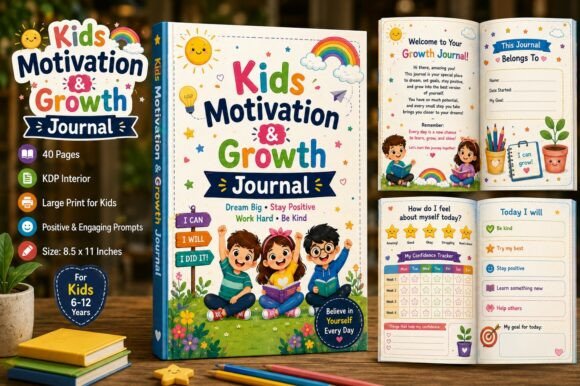
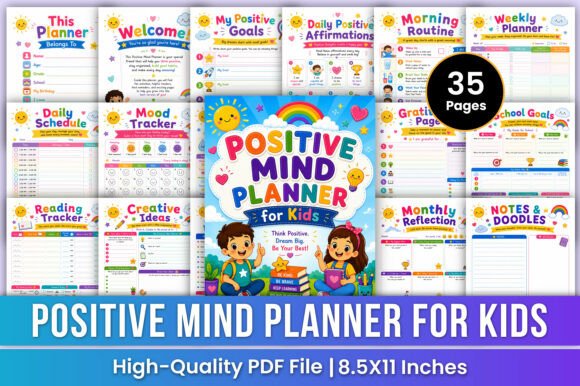
One of the standout features of this planner is its emphasis on positive mindset building. Each page includes prompts that guide children through daily reflections on gratitude, happy thoughts, and positive affirmations. These exercises help build confidence and self-esteem while reinforcing the importance of maintaining a positive outlook.
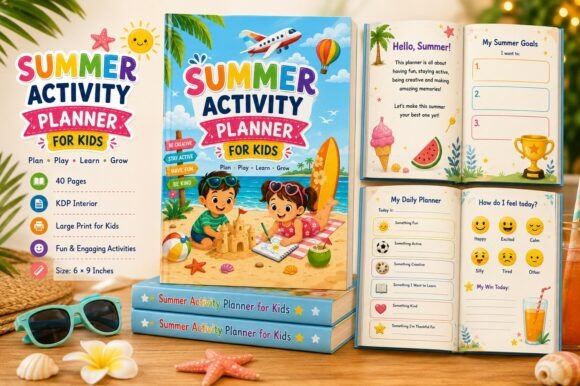
The planner also includes daily routine pages that help kids organize their time and develop consistent habits. Whether it's about morning routines, homework schedules, or bedtime rituals, these pages provide a visual structure that supports organization and responsibility.
How Does It Compare to Similar Resources?
When compared to other tools aimed at helping children develop emotional intelligence, the Positive Mind Planner for Kids Interiors stands out for its integration of both habit-building and emotional reflection. Many similar products focus solely on one aspect—either habit tracking or emotional awareness—but this planner combines both in a cohesive way.
For example, some digital apps offer habit trackers but lack the reflective components that help children understand their emotions. Others may provide journaling prompts but don't include structured planning elements. The Positive Mind Planner for Kids Interiors, however, offers a balanced approach that caters to both organizational needs and emotional growth.
Additionally, the planner comes with editable Canva links, allowing users to customize the design according to their preferences. This level of personalization is not always available in other printed planners or digital resources, making it a more adaptable option for different learning environments.
Key Features and Benefits
The Positive Mind Planner for Kids Interiors includes several key features that make it a valuable resource:
- Affirmation Self-Esteem Activities: These pages encourage children to write down positive affirmations and reflect on their self-worth, which can be especially helpful during times of self-doubt.
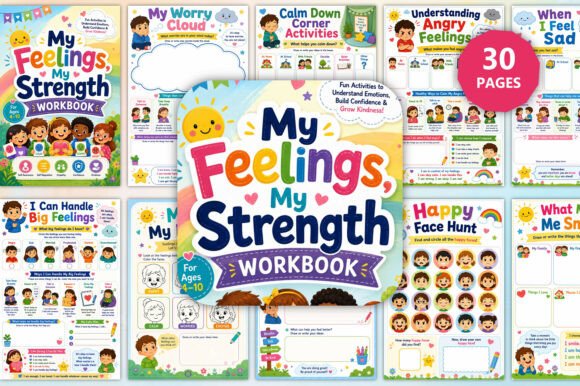
- Mindfulness Reflection Exercises: Designed to promote calm thinking and emotional awareness, these exercises help kids process their feelings in a constructive way.
- Goal Setting and Habit Tracker: With dedicated sections for setting goals and tracking progress, this planner helps children stay motivated and accountable.
- Daily and Weekly Reflection Prompts: These prompts encourage regular self-expression and help children track their emotional growth over time.
- Creative Writing Notes Pages: Fun layouts and engaging prompts keep kids interested and excited about using the planner regularly.
- Kid-Friendly Colorful Layouts: Bright colors and simple designs make the planner visually appealing and easy to use for younger audiences.
These features work together to create a comprehensive tool that supports both academic and emotional development. The Positive Mind Planner for Kids Interiors is particularly useful for homeschooled children, as it provides structure and guidance without being overly rigid.
When Is This Planner the Right Choice?
The Positive Mind Planner for Kids Interiors may be the right choice for families or educators who are looking for a structured yet flexible tool to support emotional wellness and habit formation in children. It is especially beneficial for kids who need gentle guidance in managing their emotions or establishing routines.
This planner is well-suited for children aged 6 to 12, though older children may find it helpful as well if they are working on specific emotional challenges. Parents who want to incorporate mindfulness practices into their child’s daily routine will find this planner particularly useful.
However, if a child already has strong self-regulation skills and only needs a basic planner for scheduling, a simpler option might be more appropriate. Similarly, if a family prefers digital tools over printables, there may be alternative options worth exploring.
Considerations and Tradeoffs
While the Positive Mind Planner for Kids Interiors offers many benefits, it is important to consider potential tradeoffs. Since it is a printable product, it requires printing and physical space for storage. For those who prefer digital formats, this could be a drawback.
Additionally, the planner is designed for individual use rather than group activities. While this makes it ideal for home use, it may not be the best fit for classroom settings where multiple students need access to the same materials.
Another consideration is the customization aspect. Although the editable Canva link allows for some personalization, users who are not familiar with design software may find it challenging to make significant changes to the layout or content.
Conclusion
The Positive Mind Planner for Kids Interiors is a thoughtful and effective resource for supporting children's emotional growth and habit formation. Its combination of mindfulness exercises, habit-tracking tools, and creative prompts makes it a versatile option for parents, educators, and homeschoolers alike.
While it may not be the perfect fit for every child or family, it offers a balanced approach to emotional wellness and routine development. By considering the strengths, tradeoffs, and best-fit situations, readers can determine whether this planner aligns with their specific needs and goals.