Summer Activity Planner for Kids: A Strategic Tool for Engaging and Educating Young Minds
As the summer season approaches, parents, educators, and caregivers are faced with the challenge of keeping children engaged, productive, and entertained. The Summer Activity Planner for Kids is a strategic resource designed to help families create a structured yet fun-filled summer experience. This planner is more than just a calendar—it's a comprehensive tool that supports goal-setting, creativity, learning, and personal development in a way that aligns with the needs of both children and their caretakers.
Understanding the Purpose of the Summer Activity Planner for Kids
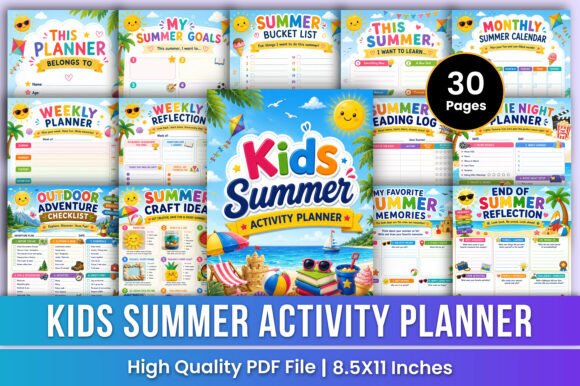
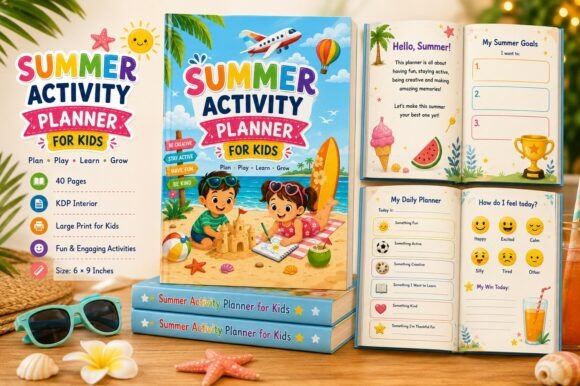
The Summer Activity Planner for Kids is a printable or downloadable PDF document that includes over 40 pages of engaging activities tailored for children aged 6 to 12. It is designed to be used as a daily or weekly planner, offering structure while allowing flexibility. The planner helps kids maintain a routine, track progress, and stay motivated throughout the summer months.
For parents and educators, this planner serves as a valuable tool for planning educational activities, encouraging physical activity, fostering creativity, and promoting emotional well-being. It also provides an opportunity to instill important life skills such as time management, goal setting, and self-reflection in young children.
Key Features That Make This Planner Effective
The Summer Activity Planner for Kids is packed with features that make it a versatile and practical resource:
- Summer Goals Bucket List: Helps children set achievable goals for the summer, whether they're related to reading, fitness, or creative projects.
- Daily and Weekly Planning Pages: Allows for scheduling and organizing activities, ensuring that each day is purposeful and balanced.
- Reading Log and Favorite Books Tracker: Encourages a love for reading by tracking progress and highlighting favorite books.
- Water Habit Trackers: Promotes healthy habits by reminding children to stay hydrated throughout the day.
- 30-Day Fun Challenges: Provides a series of engaging challenges that keep children excited and motivated.
- Nature Scavenger Hunt Activities: Encourages exploration and appreciation of the natural world.
- Creative Prompts and Coloring Pages: Stimulates imagination and artistic expression.
- Mood Check-Ins and Gratitude Prompts: Supports emotional intelligence and mindfulness.
- Summer Recipes and Movie Night Logs: Adds a fun and interactive element to family time.
- Journal Pages and Memory Keepsakes: Offers space for reflection and preserving cherished memories.
- End-of-Summer Reflection and Future Letter Files: Helps children reflect on their summer experiences and set intentions for the future.
Strategic Use of the Planner for Long-Term Benefits
Using the Summer Activity Planner for Kids strategically can lead to long-term benefits beyond just a fun summer. For instance, incorporating daily goal-setting and habit-tracking can teach children the value of consistency and perseverance. These skills are transferable and will support them in academic and personal pursuits well into adulthood.
Educators and parents can use the planner to align summer activities with curricular goals or developmental milestones. For example, if a child is working on improving reading comprehension, the planner's reading log can be used to monitor progress and provide targeted support. Similarly, the nature scavenger hunt activities can complement science lessons by encouraging observation and inquiry-based learning.
Additionally, the planner's journal pages and gratitude prompts can be used to foster emotional intelligence and resilience. By reflecting on positive experiences and expressing gratitude, children can develop a more positive outlook on life and build stronger social-emotional skills.
When and How to Use the Planner Effectively
The Summer Activity Planner for Kids is best used at the beginning of the summer, when families are setting up their summer routines. However, it can also be introduced mid-summer to help refocus or re-engage children who may have become disinterested in their activities.
To get the most out of the planner, it's important to involve children in the planning process. Let them choose which activities they want to include, set their own goals, and decide how they want to track their progress. This sense of ownership can increase motivation and engagement.
Parents and educators should also consider the child's interests and developmental stage when selecting activities. For younger children, the focus might be on sensory activities, simple crafts, and outdoor play. For older children, the planner can be used to explore more complex topics like coding, gardening, or even starting a small project.
Potential Risks and Considerations
While the Summer Activity Planner for Kids offers many benefits, it's important to use it thoughtfully. One potential risk is using the planner as a rigid schedule without allowing for flexibility. Children need unstructured time to explore, play, and develop naturally. Over-scheduling can lead to burnout and diminish the joy of summer.
Another consideration is ensuring that the planner is used in a way that aligns with the child's individual needs and preferences. Not every child will enjoy all the activities included in the planner. It's important to be open to adjusting the plan based on the child's feedback and interests.
Finally, it's essential to remember that the planner is a tool, not a replacement for parental guidance and interaction. While it can provide structure and direction, it's the adult's role to support, encourage, and engage with the child throughout the summer.
Practical Tips for Using the Planner
To maximize the effectiveness of the Summer Activity Planner for Kids, consider the following tips:
- Set Realistic Goals: Help children set achievable goals that are specific, measurable, and time-bound. This increases the likelihood of success and builds confidence.
- Be Flexible: Allow for changes and adjustments as needed. Summer is a time for exploration and discovery, not strict adherence to a schedule.
- Involve the Child: Encourage the child to take ownership of the planner by letting them choose activities and set their own goals.
- Track Progress: Use the planner's trackers and logs to monitor progress and celebrate achievements along the way.
- Reflect and Adjust: At the end of each week, review what worked and what didn't. Use this information to refine the summer plan moving forward.
By using the Summer Activity Planner for Kids in a thoughtful and intentional way, parents, educators, and caregivers can create a summer that is both fun and meaningful. This planner is not just a tool for keeping children busy—it's a strategic resource for supporting their growth, development, and overall well-being throughout the summer and beyond.