Kids Summer Planner Fun Activities
Summer is a time of boundless potential for kids, offering opportunities to learn, grow, and create lasting memories. However, without thoughtful planning, the season can quickly turn into unstructured days filled with screen time or idle hours. That's where Kids Summer Planner Fun Activities comes in—a strategic tool designed to help parents, educators, and caregivers transform summer into an organized, engaging, and meaningful experience for children.
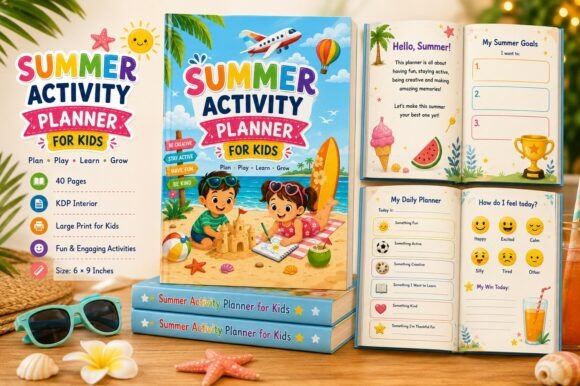
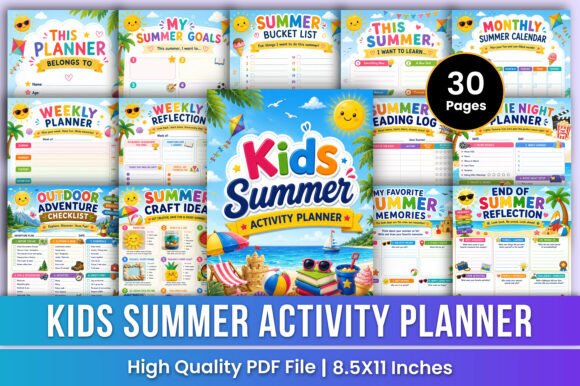
Kids Summer Planner Fun Activities is more than just a list of things to do; it's a comprehensive guide that blends creativity, learning, and structure. This planner includes features such as bucket lists, routine charts, reading logs, and nature scavenger hunts—each carefully curated to support both fun and development. Whether you're homeschooling, managing a busy schedule, or simply looking to keep your child engaged during the break, this planner offers a practical solution that aligns with your goals.
Strategic Use of Kids Summer Planner Fun Activities
Using Kids Summer Planner Fun Activities strategically can significantly enhance your summer planning process. It helps establish clear objectives for what you want your child to achieve during the break. For instance, if your goal is to encourage reading, the Summer Reading Log feature allows you to track progress, set daily targets, and even reward accomplishments. Similarly, the Monthly Weekly Planner Pages enable you to organize activities, routines, and schedules in a way that supports both your child's interests and your family's needs.
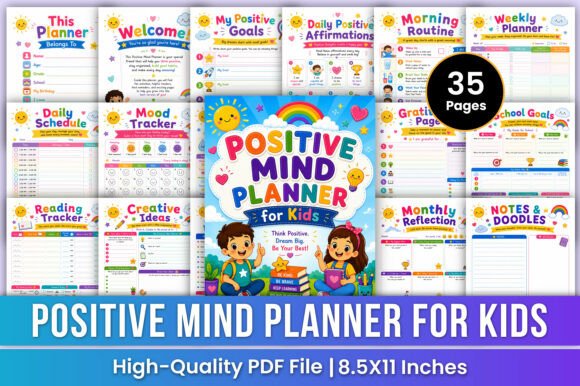
Parents and educators can use this planner to introduce structured yet flexible routines. The Morning Bedtime Routine Charts, for example, help build healthy habits by guiding children through consistent morning and evening rituals. These routines not only promote independence but also reduce stress and confusion during transitions between activities.
The Nature Scavenger Hunt Adventure Pages are particularly valuable for families who want to encourage outdoor exploration and hands-on learning. By integrating these pages into your summer plan, you can ensure that your child stays active, curious, and connected with the environment around them.
When and How to Approach Kids Summer Planner Fun Activities
The best time to start using Kids Summer Planner Fun Activities is early in the summer season, ideally before school ends. This gives you ample time to review the content, customize it based on your child’s preferences, and integrate it into your overall summer schedule. If you're working with multiple children, consider tailoring different sections of the planner to suit each child's unique interests and developmental stage.
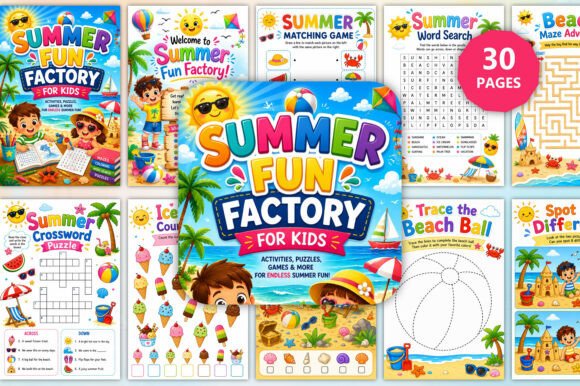
To approach the planner effectively, begin by identifying your primary goals for the summer. Are you aiming to foster creativity? Promote physical activity? Encourage learning? Once your goals are clear, select the relevant sections of the planner and fill them out accordingly. For example, if your focus is on creativity, prioritize the Crafts, Coloring Fun Activities and Adventure Reflection Logs.
Consider involving your child in the planning process. Let them choose which activities they want to include in their bucket list or decide how they want to track their progress. This involvement not only increases engagement but also teaches them the value of goal-setting and self-direction.
Practical Examples and Planning Tips
Imagine a scenario where a parent wants to balance academic learning with recreational activities. They could use the Summer Reading Log to set a goal of reading two books per week and then pair those readings with related crafts or discussions. Meanwhile, the Water Intake Exercise Trackers can be used to ensure the child stays hydrated while playing outdoors.
Another example involves a homeschooling family who uses the Monthly Weekly Planner Pages to structure their curriculum around themes like "Exploring Nature" or "Creative Writing." They might incorporate the Nature Scavenger Hunt Adventure Pages into their lessons and use the Daily Adventure Reflection Logs to document what they learned each day.
If your child has specific interests, such as art or science, tailor the planner to reflect those passions. For instance, you could dedicate certain weeks to art projects using the Crafts, Coloring Fun Activities section and include science experiments from the Nature Scavenger Hunt Adventure Pages. This approach ensures that your child remains engaged and excited about their summer learning.
Possible Risks and Considerations
While Kids Summer Planner Fun Activities offers many benefits, it's important to use it with intention. One risk is over-reliance on the planner without considering your child's individual needs or interests. Simply following the planner without customization may lead to disengagement or frustration.
Additionally, if the planner is used without clear goals, it may become a generic list of activities rather than a strategic tool for growth and development. To avoid this, always align the planner with your specific objectives and regularly assess whether the activities are meeting those goals.
It's also crucial to maintain flexibility. While the planner provides structure, summer should remain a time of exploration and spontaneity. Allow room for unexpected adventures and adjust the planner as needed to accommodate changes in your schedule or your child's interests.
Long-Term Value and Strategic Benefits
Beyond the immediate benefits of keeping your child occupied during the summer, Kids Summer Planner Fun Activities can have long-term value. By introducing structured routines and goal-setting practices early on, you're helping your child develop essential life skills such as time management, organization, and self-motivation.
For educators and homeschoolers, this planner serves as a valuable resource for maintaining continuity in learning throughout the year. It can be used to reinforce concepts taught during the school year or introduce new topics in a fun and interactive way.
Moreover, the Summer Goals Bucket List Pages and Adventure Reflection Logs provide opportunities for reflection and evaluation. These elements help children understand their achievements, identify areas for improvement, and set future goals—skills that will serve them well in all aspects of life.
Incorporating Kids Summer Planner Fun Activities into your summer planning strategy ensures that every day is purposeful, engaging, and memorable. With its blend of creativity, structure, and practicality, this planner empowers parents and educators to create a summer that is both enjoyable and impactful.