Mindfulness Activities for Kids Workbook
Teaching children mindfulness is more than just a trend—it's an essential life skill that can shape their emotional development and mental well-being. With the Mindfulness Activities for Kids workbook, parents, educators, and caregivers have a powerful tool to help young minds grow with calmness, self-awareness, and emotional intelligence. This activity book is designed to make learning about emotions and mindfulness fun, engaging, and accessible for kids of all ages.
Why Mindfulness Matters for Children
In today’s fast-paced world, children are exposed to more stressors than ever before—school pressures, social challenges, and even family dynamics can overwhelm young minds. Introducing mindfulness at an early age helps kids develop coping strategies that support emotional regulation and resilience. The Mindfulness Activities for Kids workbook provides structured yet playful activities that guide children through the process of recognizing, understanding, and managing their emotions in a safe and supportive environment.
By integrating mindfulness into daily routines, children can learn to pause, reflect, and respond rather than react. This not only helps them deal with immediate stress but also builds long-term habits that promote mental clarity and emotional balance.
Emotional Awareness Through Fun Activities
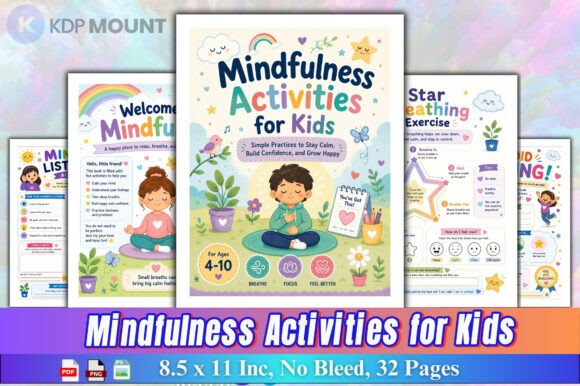
The workbook includes a variety of exercises that encourage emotional awareness. For example, the Daily Mood Check-In allows children to track their feelings throughout the day, helping them become more attuned to their emotional states. The Color Your Feelings activity uses creative expression to help kids articulate complex emotions they may struggle to put into words.
Another valuable exercise is the Feelings Wheel, which introduces children to a wide range of emotions and helps them identify and label their feelings accurately. These activities are especially useful for teachers and parents who want to create a classroom or home environment where emotional literacy is encouraged and celebrated.
Calm Relaxation Techniques for Young Minds
One of the standout features of this workbook is its focus on relaxation techniques tailored for children. The Deep Breathing Practice and Balloon Breathing Activity teach kids how to use controlled breathing to manage anxiety or frustration. These simple yet effective methods can be used in moments of stress, such as before bedtime, during transitions between activities, or when facing challenging situations.
The Rainbow Relaxation and Calm Down Countdown exercises provide a sensory-rich way for children to unwind and refocus. These activities are particularly helpful for kids who struggle with hyperactivity or sensory overload, offering them a gentle pathway to return to a state of calm.
Building Confidence and Positive Thinking
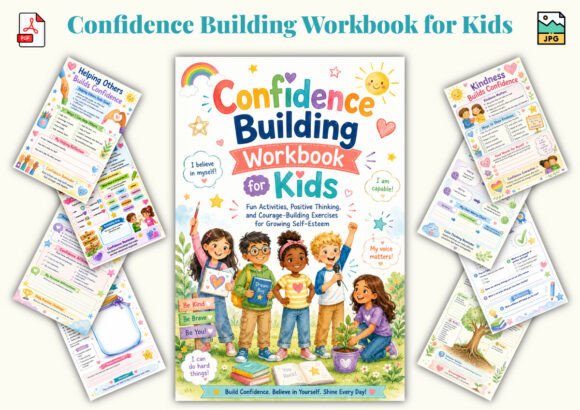
Developing a positive mindset is crucial for a child’s self-esteem and overall happiness. The Mindfulness Activities for Kids workbook includes pages dedicated to fostering confidence and kindness. Activities like Positive Self-Talk and I Am Brave Because… encourage children to recognize their strengths and build self-worth through affirmations and reflective writing.
The Gratitude section of the workbook helps kids cultivate appreciation for the good things in their lives, reinforcing a sense of gratitude that can improve mood and outlook. These exercises are ideal for parents and educators looking to instill positivity and resilience in children from a young age.
Practical Benefits for Parents and Educators
For parents, the Mindfulness Activities for Kids workbook offers a convenient and effective way to support their child’s emotional growth. It eliminates the need to create activities from scratch, providing ready-to-use tools that can be incorporated into daily routines. Whether used during car rides, after school, or as part of a bedtime ritual, these activities make it easy to introduce mindfulness in a consistent and meaningful way.
Educators and therapists will find this workbook to be an invaluable resource for classroom management and individual sessions. It supports SEL (Social-Emotional Learning) goals and aligns with curriculum standards that emphasize emotional intelligence and mental health. Teachers can use the workbook to create a more focused and empathetic classroom environment, while counselors can integrate it into therapeutic sessions to help children explore their emotions in a safe space.
Who Can Benefit Most?
This workbook is especially beneficial for parents who want to nurture emotional intelligence in their children, teachers looking to enhance classroom behavior and focus, and therapists working with kids who struggle with anxiety or emotional regulation. Homeschoolers can also use the workbook to incorporate mindfulness into their educational approach, making learning more holistic and balanced.
KDP sellers and content creators may find this workbook appealing as a product to offer to families and educators seeking practical tools for emotional learning. Its engaging design and comprehensive content make it a valuable addition to any educational or parenting resource collection.
Getting Started with Mindfulness Activities for Kids
Introducing the Mindfulness Activities for Kids workbook doesn’t require any special training or equipment. Simply choose an activity that aligns with your child’s interests or current needs and follow the guided instructions. Consistency is key—using the workbook regularly can help reinforce the skills and habits it promotes.
Parents and educators may also benefit from setting aside a specific time each day for mindfulness practice, turning it into a cherished routine. Over time, these small moments of reflection and relaxation can lead to significant improvements in a child’s emotional well-being and overall happiness.
While the workbook is designed for children, adults can also benefit from engaging with its content. Practicing mindfulness alongside your child can strengthen your bond and model healthy emotional habits that both you and your child can adopt together.