Tiny Thinkers Workbook for Kids: A Screen-Free Way to Build Early Learning Skills
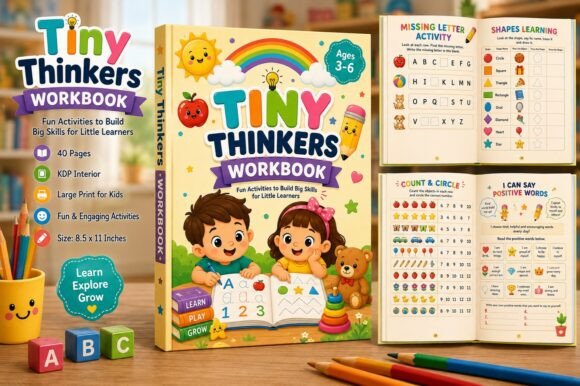
For parents, educators, and caregivers looking for a fun and effective way to support early childhood development, the Tiny Thinkers Workbook for Kids offers a unique blend of educational activities designed specifically for preschool and kindergarten children aged 3–6. This printable workbook is packed with engaging exercises that help young learners build essential skills like alphabet recognition, number tracing, shape identification, and more—all while keeping kids entertained and motivated.
The Tiny Thinkers Workbook for Kids stands out as a valuable resource because it provides a structured yet flexible approach to learning. Whether you're homeschooling your child, supplementing classroom lessons, or simply looking for screen-free entertainment, this workbook delivers a comprehensive set of activities that promote cognitive development, fine motor skills, and emotional awareness.
Why Choose Tiny Thinkers Workbook for Kids?
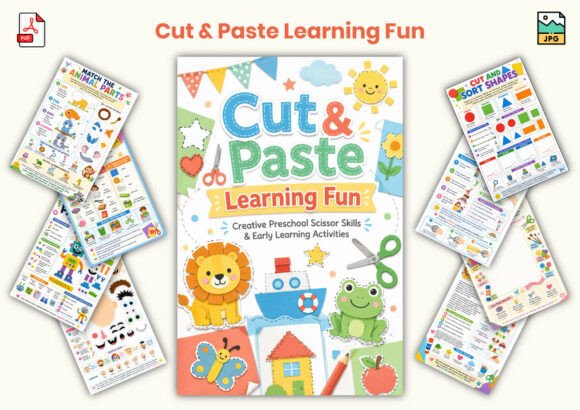
One of the key advantages of the Tiny Thinkers Workbook for Kids is its focus on hands-on learning. Unlike passive digital content, these activities encourage active participation, helping children develop hand-eye coordination and dexterity through tracing, cutting, and pasting. The inclusion of cut and paste exercises not only strengthens fine motor skills but also fosters creativity and problem-solving abilities.
Another important feature is the integration of emotions learning pages. These pages introduce children to a range of feelings in a gentle and supportive manner, promoting emotional intelligence and self-awareness. By recognizing and expressing emotions, kids can better navigate social interactions and build confidence in their ability to communicate effectively.
The positive affirmations included in the workbook are also a thoughtful addition. They help reinforce a child's sense of self-worth and encourage a growth mindset from an early age. These affirmations can be used daily to create a positive learning environment that nurtures resilience and perseverance.
Common Mistakes When Using Tiny Thinkers Workbook for Kids
While the Tiny Thinkers Workbook for Kids is a highly effective tool, there are some common mistakes that users may make when selecting or using it. One frequent oversight is underestimating the importance of age appropriateness. Although the workbook is designed for ages 3–6, not all activities may be suitable for every child within this range. Parents should review the content beforehand to ensure it aligns with their child’s developmental stage and interests.
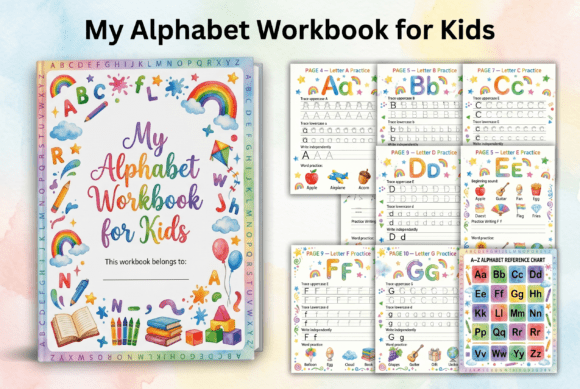
Another mistake is assuming that the workbook is a one-size-fits-all solution. While it covers a wide range of topics, including alphabet tracing, number practice, and pattern recognition, it's important to complement it with other learning tools and activities. Relying solely on a single workbook may limit a child's exposure to diverse learning experiences that are crucial for well-rounded development.
Some users may also overlook the value of daily routine charts included in the workbook. Establishing consistent routines is vital for young children, and these charts can help reinforce good habits such as brushing teeth, tidying up, and bedtime routines. However, without proper implementation, these charts may not have the intended impact. It's essential to involve the child in setting up the routine and to use the chart as a visual reminder rather than a strict rule.
How to Maximize the Benefits of Tiny Thinkers Workbook for Kids
To get the most out of the Tiny Thinkers Workbook for Kids, it's important to approach it with intention and consistency. Start by reviewing the contents and identifying which activities best match your child’s current learning goals. For example, if your child is working on letter recognition, focus on the alphabet tracing pages. If they need help with counting, dedicate time to the number practice sections.
It's also beneficial to create a dedicated learning space where your child can engage with the workbook without distractions. Setting aside a specific time each day for these activities can help establish a routine and make learning feel more natural. Additionally, consider incorporating the workbook into a larger curriculum that includes storytelling, music, and play-based learning to provide a balanced approach.
When using the matching puzzle games and shapes pattern recognition activities, encourage your child to explain their thought process. This not only reinforces what they've learned but also helps you understand their level of comprehension. Ask open-ended questions like, "What do you think comes next?" or "Can you tell me why you chose that shape?" to promote critical thinking.
Finally, remember that the Tiny Thinkers Workbook for Kids is meant to be a supplement—not a replacement—for quality time spent with your child. Use it as a starting point for conversations, creative projects, and shared learning experiences that foster connection and growth.
Final Thoughts on Tiny Thinkers Workbook for Kids
The Tiny Thinkers Workbook for Kids is a versatile and valuable resource for anyone invested in a child's early education. Its combination of educational content, engaging activities, and emotional development support makes it an excellent choice for parents, teachers, and caregivers. By avoiding common pitfalls and using the workbook strategically, you can help your child develop a strong foundation for future learning success.
Whether you're looking for a way to keep your child entertained during school breaks or want to enhance their academic skills at home, the Tiny Thinkers Workbook for Kids offers a fun and effective solution. With its high-quality PDF format, colorful design, and variety of activities, it's a must-have for any family committed to nurturing young minds.